
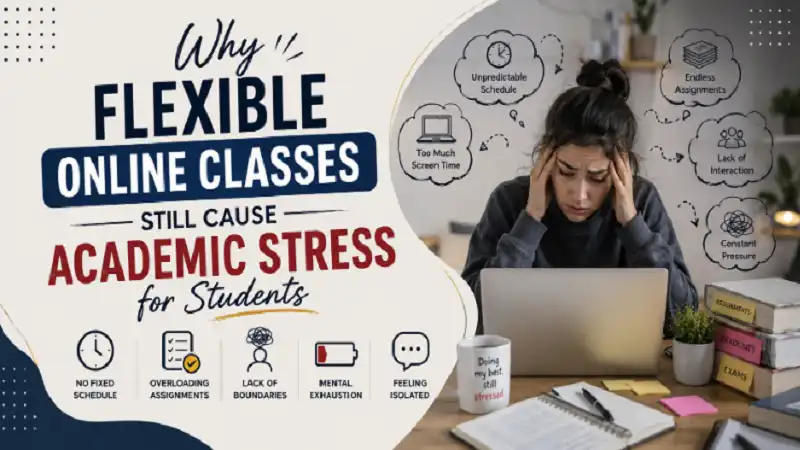
Online classes are now part of student life in many countries. Colleges and universities offer flexible courses that allow students to study from home. Many students choose online learning because it saves travel time and offers greater flexibility. They can watch lectures later, study at night, or complete work during weekends.
Still, online learning is not always easy. Many students feel pressure even when classes are flexible. Deadlines, screen time, and poor study habits often create stress. A report shared by MyAssignmenthelp on how deadlines impact online course completion rates explains that missed deadlines can lower motivation and reduce course completion rates. This problem affects many students in online education today.
Online Learning Needs Strong Self-Discipline
Traditional classrooms follow a fixed routine. Students attend lectures at set times and meet teachers regularly. Online learning is different. Students must manage their own schedule.
This freedom sounds helpful at first. However, many students struggle without daily structure. Some students delay lectures because recordings are available later. Others forget assignment dates or skip study sessions.
Over time, unfinished work begins to grow. Students then feel pressure when several deadlines arrive together. This creates stress and frustration.
Flexibility Can Lead to Procrastination
Flexible learning gives students more control over their time. Yet too much freedom can create bad study habits.
Students may think they have enough time to finish assignments later. Because of this, they delay tasks until the last moment. Social media, games, and home distractions also reduce focus.
Procrastination becomes common in online learning. Many students feel relaxed during the first weeks of a course. Later, they realize they are behind schedule. Catching up becomes difficult and stressful.
Common Challenges in Online Classes
| Challenge | Impact on Students |
| Poor time management | Missed deadlines |
| Home distractions | Low focus |
| Long screen time | Mental fatigue |
| Lack of routine | Reduced productivity |
| Limited interaction | Feeling isolated |
| Multiple assignments | Academic stress |
These problems affect students across different countries and study programs.
Long Screen Time Causes Fatigue
Online learning depends on digital devices. Students use laptops, tablets, and phones for lectures, assignments, and reading materials.
Many students spend long hours in front of screens every day. This can lead to headaches, eye strain, and tiredness. Some students also struggle with sleep because they study late at night.
Studying from the same room every day can feel exhausting. Students often eat, sleep, relax, and study in one place. This routine can reduce motivation over time.
Students Often Feel Isolated
Campus life gives students social interaction. They talk with classmates, ask questions in person, and join group discussions. Online learning reduces these experiences.
Some students feel lonely when they study alone for long periods. They may hesitate to speak during online classes or avoid joining discussions.
This feeling is common among first-year students. Many are still adjusting to university life and need support from classmates and teachers. Without social connection, academic pressure can feel heavier.
Motivation Drops in Flexible Courses
Staying motivated is difficult for many online learners. Physical classrooms create accountability because teachers and classmates are present. Online classes require students to stay motivated on their own.
Some students lose interest after a few weeks. Others feel overwhelmed by large assignments and stop following their study schedule.
Low motivation often leads to poor academic performance. Students may avoid difficult tasks until deadlines become very close. This creates panic before exams and submissions.
Balancing Work and Study Is Hard
Many students take online classes while working part-time or full-time jobs. Flexible learning helps them continue their education while earning money.
Still, balancing work and study is not simple. Students often study late at night after long work shifts. Tiredness reduces focus and learning ability.
Some students also manage family responsibilities along with coursework. Household duties and personal commitments reduce study time. Even flexible classes cannot remove all these pressures.
Fear of Falling Behind Creates Anxiety
Many online students worry about falling behind. In traditional classrooms, students can easily follow the pace of the course. Online learning does not always provide the same feeling.
Students may miss lectures, forget deadlines, or ignore assignments without noticing the problem early. After some time, unfinished work becomes difficult to manage.
This situation increases anxiety. Students begin worrying about grades, exams, and course completion. Some lose confidence in their ability to succeed.
Students Search for Academic Support
Students use different methods to handle academic pressure. Some improve their routines and manage time better. Others ask classmates or tutors for help.
Academic support services have also become more common in online education. Some students explore services to pay someone to do my online class from MyAssignmenthelp when deadlines, work pressure, and coursework become difficult to manage together.
The growing demand for academic support shows that online education still creates serious stress for many learners.
Simple Ways Students Can Reduce Stress
Students can make online learning easier by following healthy study habits.
Create a Daily Routine
A fixed study schedule helps students stay organized. Regular study hours improve consistency.
Break Large Tasks Into Small Steps
Big assignments feel easier when divided into smaller goals. This reduces pressure and improves progress.
Avoid Digital Distractions
Turning off social media notifications during study sessions helps students focus better.
Ask Questions Early
Students should contact teachers when they feel confused about lessons or assignments. Early support prevents bigger problems later.
Take Short Breaks
Regular breaks improve concentration and reduce mental fatigue during long study hours.
Stay Connected With Classmates
Online study groups help students feel less isolated. Group discussions also improve motivation.
Online Education Is Flexible but Still Demanding
Flexible online classes give students more learning opportunities. Students can study from different locations and manage busy schedules more easily.
However, flexibility does not remove academic pressure. Online learning still requires discipline, planning, and focus. Students must manage deadlines, avoid distractions, and stay motivated without constant supervision.
Many students expect online classes to feel easier than traditional learning. In reality, online education often requires stronger self-management skills. Understanding these challenges can help students prepare better and reduce stress during their studies.
FAQs
Why do online classes feel stressful?
Online classes require self-discipline, time management, and independent learning skills. Many students struggle with these responsibilities.
Does flexibility improve learning?
Flexibility helps some students, but too much freedom can reduce focus and increase procrastination.
Why do students procrastinate in online courses?
Students often delay work because of distractions, poor planning, or low motivation.
Can online learning affect mental health?
Yes. Isolation, screen fatigue, and academic pressure can increase stress and anxiety.
How can students reduce online learning stress?
Students can follow a study routine, avoid distractions, take breaks, and communicate with teachers regularly.
Author Bio
Daniel Harper is an education content writer who focuses on online learning, student productivity, and academic challenges in modern education systems. He writes practical and easy-to-read articles for undergraduate students across global learning environments. His work explores topics connected to study habits, deadline pressure, digital learning, and student success strategies.
See more blueflamepublishing